
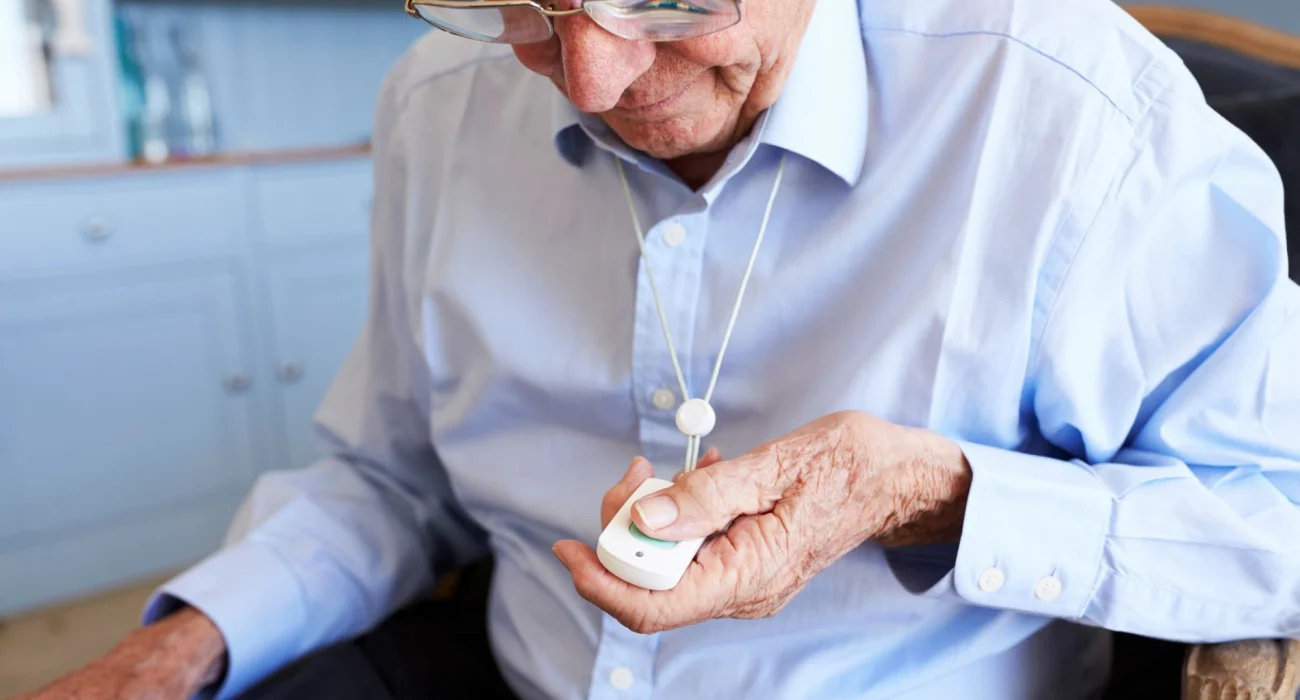
For many seniors, the desire to live independently in one’s own home is a top priority. However, that independence often comes with a side of anxiety, both for the seniors themselves and their loved ones. It can raise several concerns in the caregivers regarding unexpected falls and medical emergencies. This is where a Personal Emergency Response System (PERS) play their role.
These are also often called medical alert systems. Essentially, these PERS devices are more than just a help button. It is a bridge between independence and safety. Therefore, in this guide, we will break down everything you need to know about PERS.
What is a PERS?
A Personal Emergency Response System (PERS) is a device that allows an individual to call for help in an emergency by simply pushing a button. These systems typically consist of three main components:
The Help Button
A wearable pendant with a personal emergency button.
The Communication Base
A PERS system is also connected to a phone line or cellular network.
The Monitoring Center
A 24/7 dispatch hub staffed by trained professionals is ready. They receive the alert and coordinate help.
How do Personal Emergency Response Systems Work?
A personal emergency response system works in three simple steps. These include the following:
The Activation
When an emergency occurs, whether it’s a fall, chest pain, or even feeling unsafe, the user presses the button on their wearable senior care technology device.
The Connection
The personal emergency response system sends a signal to the base station or the mobile device’s built-in cellular chip. Within seconds, a live operator from the monitoring center speaks to the user through a high-powered speakerphone.
The Response
The 24-hour monitoring service operator assesses the situation. If it’s a minor issue, they might call a designated responder. This can be anyone, such as a neighbor or family member. If it’s a serious emergency, they immediately dispatch local EMS, fire, or police services and stay on the line until help arrives.
Types of Personal Emergency Response Systems: Finding Your Perfect Fit
Not all seniors have the same lifestyle, so a PERS emergency response device has evolved into two primary categories: Medical Alert Pendant or Necklace, and Medical Alert Watch
Medical Alert Watch
This wearable personal emergency response system comes with built-in GPS technology and automatic fall detection. In addition, this watch proves beneficial for on-the-go protection as it provides 24/7 health alerts.
Medical Alert Pendants
These are small, lightweight devices that contain both the button and the speakerphone. This also provides a timely alert for elderly emergency.
Get Your Loved Senior Personal Emergency Response System for Added Protection
Modern Features of Emergency Response Systems for Seniors
A personal emergency response system does much more than just call 911. Here are the smart features that provide extra layers of protection:
Heart Rate Monitoring
Advanced mobile medical alert wearables continuously track heart rate and other vitals, alerting users when irregularities are detected.
Medication Reminders
A wearable emergency button proves beneficial for seniors who often forget about their medications. These devices send reminders to seniors at the correct times, reducing the risk of missed doses.
Automatic Fall Detection
Seniors are prone to falls. Advanced elderly safety devices are enhanced with automatic fall-detection features that generate alerts even if your senior turns unconscious after a fall.
Real-Time Tracking
A personal response system integrates advanced GPS tracking systems that track the real-time locations of your loved ones.
Two-way Communication
The purpose of two-way communication in a personal emergency response system is to provide immediate assistance to seniors during an emergency. This feature enables the user to speak and be heard, ensuring that help is on the way.
User-Friendly Interface
Some seniors are not aware of modern advancements. An emergency notification system includes a user-friendly interface for them to use without any hassle. In addition, the devices come with voice activation systems for effective communication.
Long Battery Life
The long battery life of these health monitoring devices often lasts more than 36 hours. Furthermore, these devices are reliable for easy charging options.
In The End
Now that you have understood what does PERS mean, investing in one can be one of the most proactive steps. These wearable devices ensure a senior about their safety and longevity at home. Therefore, by selecting a personal emergency response system that fits your daily routine and ensuring it has the features you need, you provide yourself with a safety net and your family with priceless peace of mind.
Why Choose MedRinger?
MedRinger supports seniors and caregivers by delivering easy-to-use medical alert solutions designed for everyday confidence. Our devices provide reliable emergency assistance, allowing seniors to stay active, independent, and protected at all times.
Frequently Asked Questions (FAQs)
No, as standard Medicare (Part A and Part B) does not currently cover the monthly monitoring fees or equipment costs for medical alert systems, as they are not considered medically necessary durable medical equipment. However, many Medicare Advantage (Part C) plans and some private long-term care insurance policies do offer coverage or discounts.
Accidental presses happen all the time. When the operator answers, simply tell them, “I’m okay, this was a false alarm.” They will be happy to hear you’re safe and will simply reset the system. In fact, most companies encourage an occasional test push once a month to ensure the system is working correctly.
Yes, most reputable PERS buttons are highly water-resistant or waterproof. Since bathrooms are high-risk areas for slips and falls, it is actually recommended that you wear your pendant while bathing. Just avoid submerging it in deep water for extended periods (like in a hot tub).
A PERS provides immediate access to help. Additionally, it reduces response time in emergencies and offers seniors and their families peace of mind.
No, PERS devices are designed for individual use to ensure accurate emergency response and personal medical information.